What happens after insemination?
Once insemination is done, the goal is simple. Give sperm the best chance to reach the cervix and move up into the uterus and tubes. If an egg is released and fertilised, implantation usually happens several days later.
You do not need to do anything extreme. A normal day is fine. If it helps you feel better, you can rest for 10 to 20 minutes after insemination, then carry on.
The hardest part is that your body can feel “different” for lots of reasons that are not pregnancy. Progesterone after ovulation can cause cramps, bloating, mood shifts, and sore boobs all on its own.
What is the two-week wait?
The two-week wait is the time between ovulation and your expected period. If pregnancy happens, implantation most commonly occurs around 6 to 12 days after ovulation.
Pregnancy tests detect hCG. Your body usually only starts producing hCG after implantation, which is why early testing can be misleading.
A gentle reminder. Symptom spotting can steal your peace. If you can, focus on your plan and your dates rather than every sensation.
Can I test during the two-week wait?
You can, but it often causes unnecessary stress. A negative test early on does not always mean you are not pregnant; it can simply be too soon.
-
If you want the most reliable result: test from the day your period is due.
-
If you cannot wait: consider testing from about 10 to 12 days after ovulation.
If you are testing early, use the first morning urine and try to test at the same time each day.
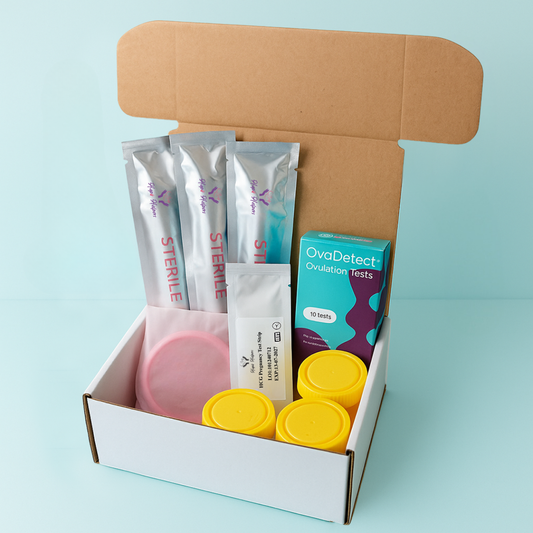
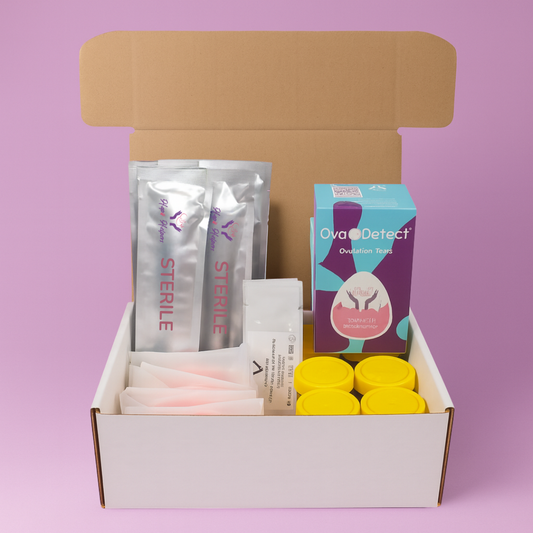
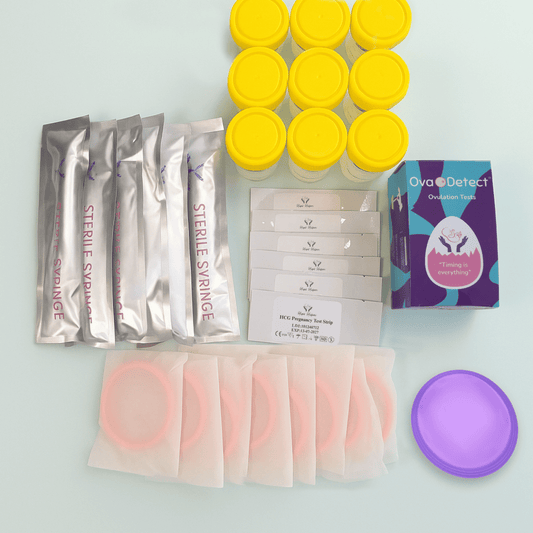
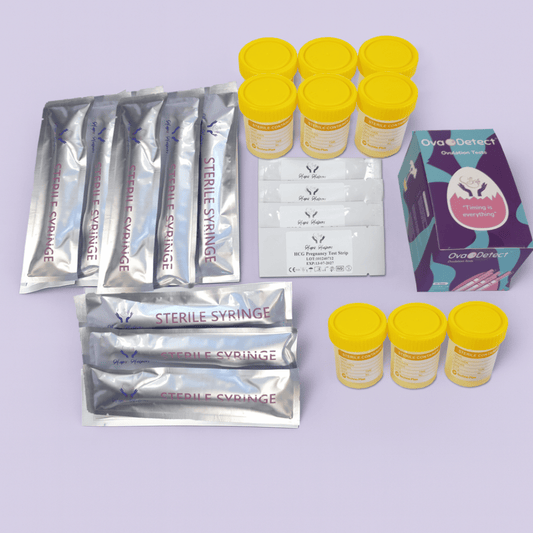
Shop pregnancy testsHow to take and read a pregnancy test
-
Collect a small amount of urine in a clean container.
-
Dip the strip for the time listed on the packet. Do not dunk past the max line.
-
Lay it flat and read within the time window on the instructions.
How to read it:
-
Control line (C): tells you the test worked.
-
Test line (T): any visible coloured line can indicate pregnancy, even if faint.
If you get a faint positive, it is normal to want to test again. If you do, test once per day max. hCG typically rises over days, not hours.
Got a positive result? Here is what to do next
First, breathe. This is a big moment.
-
Keep testing calm: you do not need multiple tests a day.
-
Book your GP: they may organise a blood test depending on your situation and history.
-
Start or continue prenatal support: folate is the key one early on unless your clinician has told you otherwise.
If you have had losses before, used fertility medication, or have pain you are worried about, contact your clinician earlier rather than waiting.
When to get medical help
If any of the following happen, please get medical advice promptly:
-
Severe one-sided pelvic pain, shoulder tip pain, or dizziness.
-
Heavy bleeding (soaking a pad every hour) or bleeding with severe pain.
-
Fever, chills, or feeling very unwell.
You are never being dramatic by checking. Trust your gut.