What to consider before At-Home Insemination
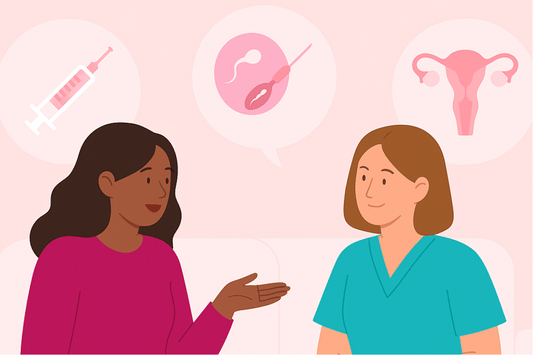
Before embarking on the journey of at-home insemination, several important considerations come into play. Firstly, understanding the process and seeking expert guidance or consulting with a healthcare provider is paramount. It's crucial to carefully select a sperm donor, whether it's a known donor or from a sperm bank, and ensure that all necessary health screenings are conducted.
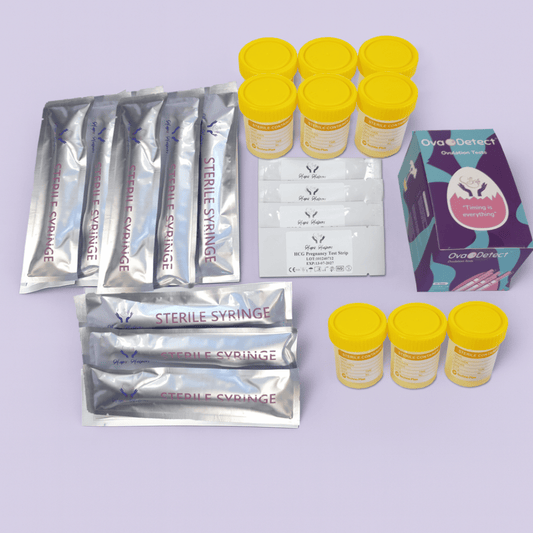
Timing, using the right tools and techniques, and tracking fertility indicators are essential for success. Creating a supportive and stress-free environment is also key. Moreover, recognizing that at-home insemination may not guarantee immediate results is important; patience and emotional support are vital. Lastly, having contingency plans in place, such as consulting a fertility specialist, should the need arise, adds another layer of preparedness to this journey. By considering these factors, individuals and couples can embark on at-home insemination with confidence and a well-informed approach.
Methods of conception
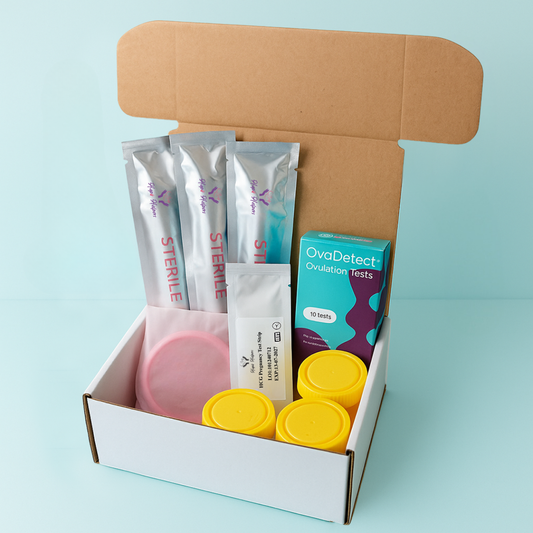
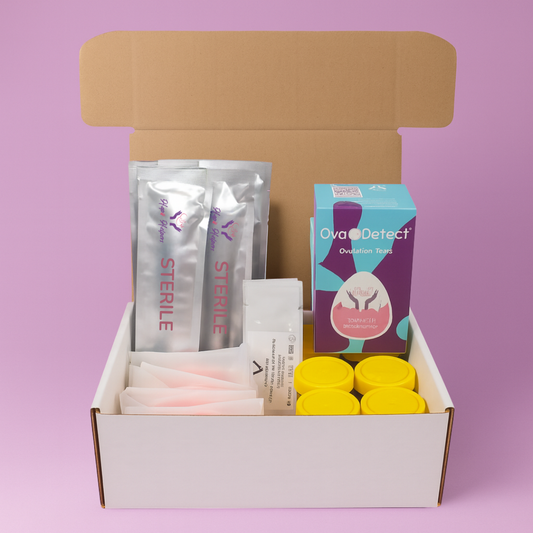
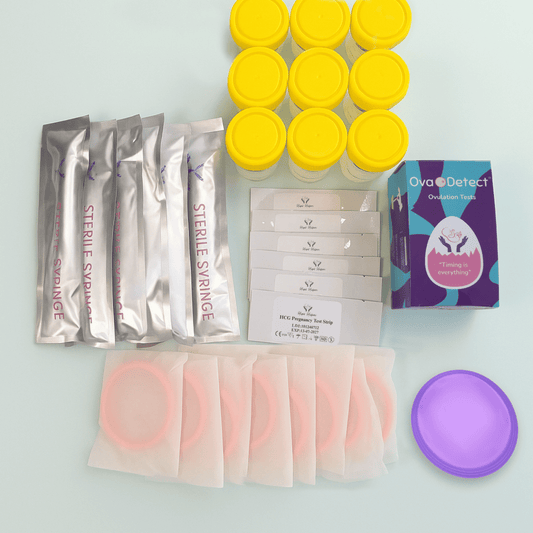
There are 3 methods of At home insemination: Artificial Insemination with a syringe, Natural insemination via sexual intercourse and Partial insemination - which is just ejaculation in the vagina (you can read more on these methods here - home insemination).
You must know that all these methods are just as effective as each other when the conditions are right, so don’t let anyone tell you otherwise and don’t let a donor pressure you into doing something you are uncomfortable with. If you are considering Natural insemination, please make sure you understand the legalities around this method on our NZ Donor Agreements & Legalities page
Understanding Incest when choosing a Donor
A donor with a significant number of children results in a higher chance of incest, which can result in severe genetic abnormalities. In this context the world is small, and it is crucial to understand the risks. New Zealand clinics have a limit of 5 - 10 families per donor depending on your location. It is essential to consider donors who stick within these limits to avoid the chance of incest.
Donors who do not stick to these guidelines are serial donors. You can read about how many families a donor can help based on state/territory laws and clinic policies here - Sperm donor laws in New Zealand
Understanding the thoughts and feelings of Donor conceived people (DCP)
When undergoing At-Home insemination with a donor, the child you produce is known as a DCP. As Recipient Parents (RP), we must understand them and hear what they have to say so we can make the necessary changes to avoid the common struggles they face. I and my partner didn’t even think of this when we were looking to conceive. This topic occurred to us when our children were born, this is why I am creating awareness, so no one else has this as an afterthought.
We have done a whole page on this where we include the survey results from donor conceived people. I highly encourage you to check it out here.
Know the legalities
Buying or charging for sperm in New Zealand or Australia is illegal. A donor can charge you to cover his travel costs and that is it. This amount needs to be reasonable and enough only to cover those expenses. Please check the NZ Donor Agreement & Legalities page for more